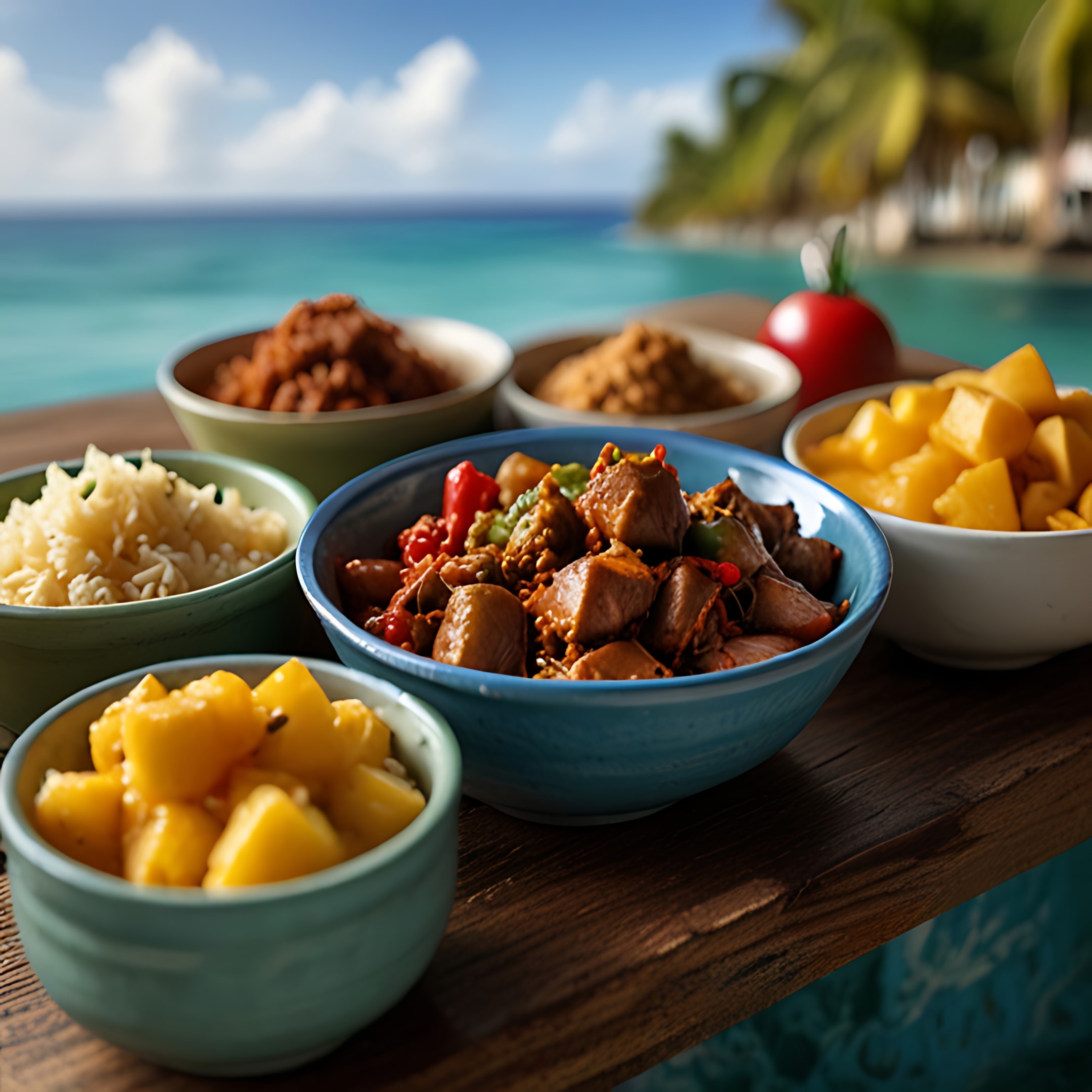
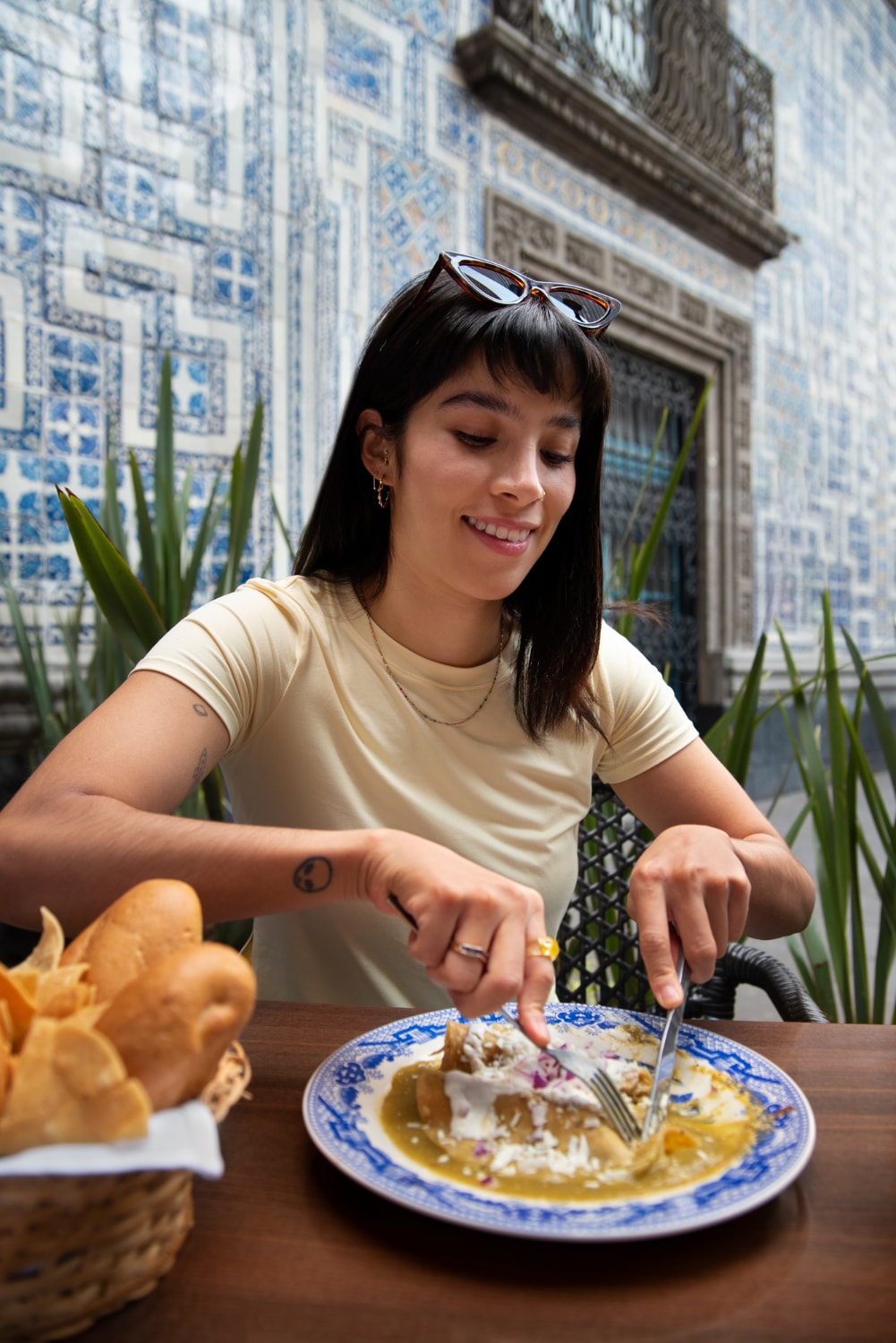
Is Food in Puerto Rico Expensive? A Foodie’s Guide to Budget-Friendly Eats
Dreaming of piña coladas and mofongo on the beach in Puerto Rico? You might be worried about the cost of food. But fear not, fellow foodie. You absolutely can eat well in Puerto Rico without breaking the bank. We’ll show you how to navigate the island’s culinary scene and discover delicious, budget-friendly eats.
In this guide, we’ll cover:
The real cost of food in Puerto Rico (spoiler alert: it’s not as bad as you think)
Savvy strategies for finding affordable meals
Tips for saving money on groceries
And hey, if you need a sweet ride to get you to all those tasty spots, check out Beep Beep Jeep. We offer an all-inclusive Jeep rental car with no hidden fees. Pretty cool car rentals, right?
The Real Cost of Food in Puerto Rico
Is the food in big cities like old San Juan actually expensive? The short answer is: it depends. Just like any popular tourist destination, you’ll find a range of prices. But with a little know-how, you can easily enjoy delicious meals without emptying your wallet.
Here’s the lowdown:
Restaurant meals: Expect to pay around $15-25 per person for a meal at a mid-range restaurant. Of course, you can find cheaper options (think food trucks and local eateries) for around $10 or less.
Groceries: Surprisingly, groceries can sometimes be pricier than eating out. This is because many food items are imported.
Drinks: Yes, those tropical cocktails. Expect to pay $8-12 for a cocktail at a bar or restaurant. Local beers are usually cheaper, around $3-5.
Street food: Puerto Rican street food is a must-try. You can find delicious and affordable options like tostones (fried plantains), alcapurrias (fried fritters), and pinchos (meat skewers).
Cafes and bakeries: Puerto Rican cafes and bakeries offer a great way to grab a quick and affordable bite. Enjoy a fresh croissant, a cup of coffee, or a slice of flan.
Supermarkets: If you’re staying in vacation rentals, you might want to stock up on groceries. Supermarkets like Walmart and Supermercados Amigo offer a variety of affordable options.
Farmers markets: Puerto Rico is home to many farmers markets where you can buy fresh, local produce at great prices.
Food tours: Taking a food tour is a great way to sample a variety of Puerto Rican cuisine without breaking the bank. Many food tours include tastings at local restaurants and food stalls.
Pro Tip:Look for restaurants with “platos del dia” or daily specials. These are often a great value.
Why is Stuff So Pricey in Puerto Rico?
So, “Why are things generally more expensive here in the first place?” Good question. It boils down to a few key factors:
The Jones Act: This law requires that all goods shipped to Puerto Rico be transported on U.S.-flagged vessels. This limits competition and drives up shipping costs, which ultimately get passed on to consumers. Think of it like paying extra for a delivery service that has a monopoly.
Import Reliance: Because Puerto Rico imports a lot of its food and goods, it’s vulnerable to fluctuations in global prices and shipping costs. This can make things like fresh produce and certain staples more expensive than you might expect.
Island Life: Living on an island comes with unique challenges. Limited land for agriculture and higher transportation costs can contribute to increased prices for certain goods.
Tourism: As a popular tourist destination, Puerto Rico sees a higher demand for goods and services, which can drive up prices, especially in touristy areas.
Understanding these factors can help you make informed decisions about where to shop and dine. By venturing outside the tourist zones and supporting local businesses, you can often find better prices and contribute to the local economy.
Savvy Strategies for Finding Affordable Meals
Now that you have a general idea of food costs, let’s explore some ninja-level strategies to stretch your food budget further. Because who doesn’t love saving money while enjoying amazing food?
Embrace the “Chinchorros”: These are small, casual eateries, often family-run, that serve up authentic Puerto Rican food at local prices. Think of them as hidden gems with tons of flavor.
Lunch Specials are Your Friend: Many restaurants offer “platos del dia” or lunch specials, which are a fantastic way to get a complete meal at a discounted price.
Cook Some of Your Own Meals: If you have access to a kitchen (maybe you snagged a sweet deal on a vacation rental), consider cooking some of your own meals. Local markets offer fresh produce and ingredients at reasonable prices.
Hit the Happy Hour Scene: Many bars and restaurants have happy hour specials with discounted drinks and appetizers. This is a great way to enjoy a tasty bite and a refreshing beverage without overspending.
Explore Food Trucks and Street Vendors: Puerto Rico has a vibrant street food scene with delicious and affordable options. From empanadas and alcapurrias to pinchos and bacalaitos, you’ll find plenty to satisfy your cravings.
Pack Your Own Snacks: Bring along some non-perishable snacks like granola bars, nuts, and dried fruit to keep you going between meals. This can help you avoid those pricey impulse purchases when hunger strikes.
Dine Out During the Week: Restaurants tend to be busier and more expensive on weekends. Consider dining out on weekdays for a more relaxed and potentially cheaper experience.
Don’t be afraid to venture outside the tourist zones. You’ll often find more authentic and affordable options in residential neighborhoods.
By following these savvy strategies, you can enjoy the diverse flavors of Puerto Rico without exceeding your budget.
Budgeting for Food for Your 4-Day Feast in Puerto Rico
First, let’s set some realistic expectations. This budget is based on enjoying a mix of dining experiences, from casual eateries and street food to a few nicer restaurants. We’re also factoring in some grocery shopping for breakfast and snacks.
Here’s a possible breakdown:
Breakfast: $10 per day (think coffee, pastries, or a quick bite from a local bakery)
Lunch: $15 per day (enjoying those delicious lunch specials or street food finds)
Dinner: $25 per day (splurging a bit on some delicious Puerto Rican cuisine)
Snacks and Drinks: $10 per day (for those in-between munchies and refreshing beverages)
Total daily food budget: $60
Total for 4 days: $240
This is just an estimate. Your actual spending might vary depending on your dining preferences and how much you decide to cook versus eat out.
Here are a few ways to customize your budget:
Foodie on a Mission: If you’re planning to indulge in fine dining experiences, you might want to increase your dinner budget.
Budget-Conscious Traveler: If you’re sticking to a tight budget, you can easily lower your daily spending by cooking more meals and taking advantage of happy hour deals.
Group Travel: Traveling with a group can sometimes help you save money, as you can share larger dishes and split the Puerto Rico cost of groceries.
Consider using a budgeting app to track your food expenses during your trip. This can help you stay on track and identify areas where you can save.
With a little planning and some savvy spending habits, you can enjoy a delicious and unforgettable culinary Puerto Rican adventure without breaking the bank. Now, are you ready to hit the road and explore those amazing food spots? Don’t forget to rent a Jeep from Beep Beep Jeep to get you there in style.
Tips for Saving Money on Groceries
So you’re ready to embrace your inner chef and whip up some meals in your Puerto Rican kitchen? Awesome. Here are some tips to keep your grocery bill in check:
Shop Local: Instead of heading straight to the big supermarket chains, explore local markets and “colmados” (small grocery stores). You’ll often find fresher produce and local products at better prices. Plus, you’ll get a taste of authentic Puerto Rican culture.
Embrace the Farmers Markets: Puerto Rico boasts fantastic farmers markets where you can score deals on fresh fruits, vegetables, and local specialties. It’s a great way to support local farmers and enjoy seasonal goodies.
Cook Puerto Rican Cuisine: Embrace the local cuisine. Traditional Puerto Rican dishes often use affordable ingredients like rice, beans, plantains, and local meats. You can find tons of recipes online or even ask locals for their favorites.
Buy in Bulk (When it Makes Sense): If you’re staying for a while and have the storage space, consider buying some staples in bulk. This can be especially helpful for items like rice, beans, and spices.
Look for Sales and Specials: Keep an eye out for weekly specials and discounts at supermarkets. Many stores offer deals on specific items or have “buy one, get one free” offers.
Bring Your Own Bags: Some supermarkets in Puerto Rico charge for bags, so bring your own reusable ones to save a few bucks.
Don’t Be Afraid to Haggle: While haggling isn’t as common in supermarkets, you might be able to negotiate prices at local markets, especially if you’re buying in larger quantities.
Learn some basic Spanish phrases related to food and shopping. This can come in handy when navigating local markets and communicating with vendors.
By following these tips, you can stock your kitchen with delicious and affordable ingredients, allowing you to create your own culinary adventures in Puerto Rico.
FAQs
Is it cheap to eat and drink in Puerto Rico?
It can be. While some restaurants and tourist traps can be pricey, there are plenty of ways to enjoy affordable meals and drinks. Embrace those chinchorros, hit up happy hour, and explore the street food scene. Plus, cooking some of your own meals can help you save even more.
How much is a dozen eggs in Puerto Rico?
A dozen eggs in Puerto Rico typically cost around $3-4. However, food prices can vary depending on the store and location.
Is Puerto Rico food cheaper than in the US?
Not always. Due to import costs and other factors, some food items can be more expensive in Puerto Rico than in the mainland US. However, you can still find plenty of affordable options, especially if you focus on local cuisine and shop at local markets.
Is Hawaii or Puerto Rico cheaper?
Generally, Puerto Rico is considered slightly more affordable than Hawaii, especially when it comes to food and accommodation. However, both destinations offer a range of options to suit different budgets— from mid-range hotels to luxurious, expensive ones.
How much money should I bring for food in Puerto Rico?
We recommend budgeting around $60 per day for food, which includes breakfast, lunch, dinner, snacks, and drinks. However, you can adjust this based on your dining preferences and travel style.
Chow Down in Puerto Rico Without Spending a Fortune
Eating well in Puerto Rico doesn’t have to break the bank. With a little planning and some insider tips, you can enjoy delicious and affordable meals throughout your trip.
Here are the key takeaways to remember:
Food costs in Puerto Rico can vary, but a budget traveler can always find budget-friendly options.
Embrace local eateries, happy hour deals, and street food for maximum savings.
Cooking some meals can help you stretch your budget further.
Don’t forget to visit Puerto Rico local markets and farmers markets for fresh, affordable ingredients.
Ready to hit the road and discover those culinary gems?Beep Beep Jeep can get you there. With our all-inclusive Jeep rental cars, you can explore Puerto Rico island with ease and without worrying about hidden fees or mileage limits. Plus, who doesn’t love cruising around in a Jeep? It’s the perfect way to experience the beauty of Puerto Rico while satisfying your foodie cravings.