How Much Is Food in Puerto Rico? A Complete Cost Guide for Travelers
Ever dreamt of sun-kissed beaches and vibrant culture? Puerto Rico calls. But how much will those mofongos and piña coladas actually set you back? Many travelers underestimate food costs, leading to budget blowouts.
We’re here to fix that. This guide breaks down everything food-related so you can plan your trip with confidence. This guide covers:
Average restaurant meal prices
Grocery store costs for self-catering
Local market finds and deals
Budgeting tips for different travel styles
Options for special diets
Food safety advice
Want to explore beyond the resorts? Beep Beep Jeep offers all-inclusive rentals—no hidden fees or deposits. Just grab a Jeep and go explore the island’s best eats. It’s the perfect way to experience Puerto Rico at your own pace.
Average Restaurant Meal Prices
Eating out in Puerto Rico can be a delicious adventure. From beachfront shacks serving fresh seafood to upscale restaurants with innovative menus, there’s something for every palate. But what about your wallet? Let’s break down typical restaurant costs.
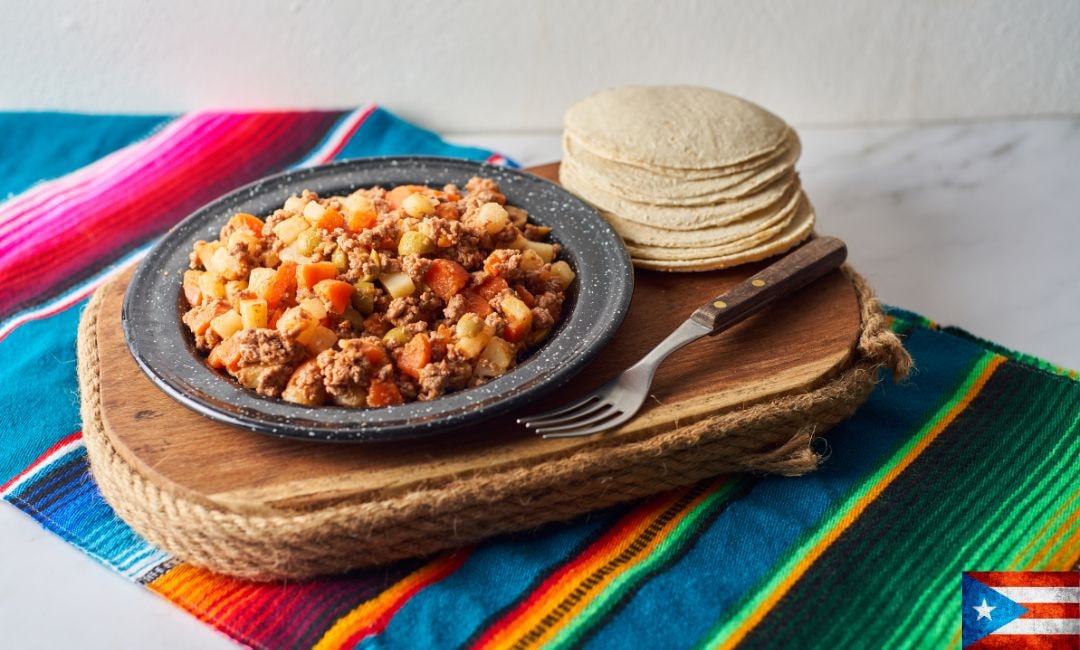
Budget-friendly eats: Local spots, fondas, offer filling meals for $8-$15. Think mofongo, rice and beans, and roasted chicken. These are great for authentic flavors without breaking the bank.
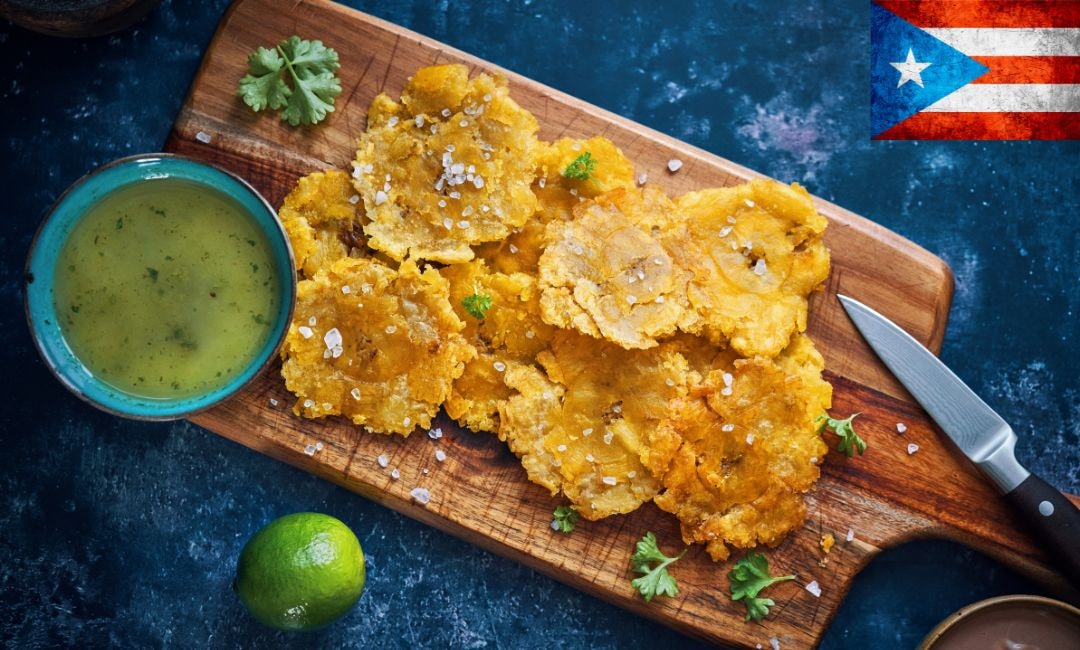
Mid-range dining: Expect to spend $15-$30 per person at casual restaurants. This category includes popular spots with diverse menus, often featuring seafood, steak, and pasta dishes. A great example is a casual beachfront restaurant where you can get a fresh catch of the day with tostones.
Fine dining: For a more upscale experience, prices can range from $30-$60+ per person. These restaurants often feature creative cuisine, elegant ambiance, and top-notch service.
Keep in mind that these are average prices. Location, type of cuisine, and the restaurant’s popularity can influence the final bill. Tourist areas tend to have higher prices, while venturing off the beaten path can lead to some tasty—and affordable—finds.
Pro Tip: Look for daily specials or lunch menus for better deals, especially at mid-range restaurants. This is an excellent way to sample various dishes without overspending.
Grocery Store Costs for Self-Catering
Want to save some cash and have more control over your meals? Grocery shopping in Puerto Rico is a solid option. It’s perfect for families, budget travelers, or those with dietary restrictions. Let’s look at what you can expect to pay at local supermarkets.
Staples: Basic items like rice, beans, eggs, and local produce are generally affordable. A pound of rice might cost around $1-$2, a dozen eggs around $3-$4, and local fruits like plantains or bananas are often less than $1 per pound.
Imported goods: Expect to pay a premium for imported items, especially those coming from the mainland US. Think cereals, certain snacks, and some dairy products. These can be noticeably more expensive than what you’re used to back home.
Water and drinks: Bottled water is a must, especially if you’re not used to the local water. A gallon of water can cost around $2-$3. Local juices and sodas are usually reasonably priced, but consider buying larger quantities for better value.
Here’s a quick comparison: A gallon of milk could cost $4-$5, while a similar gallon of water would only be $2-$3. This price difference makes it a great idea to stock up on water.
Pro Tip: Visit Puerto Rico local mercados (markets) for fresh produce and often better prices than big supermarkets. You’ll also get a taste of local culture.
Exploring different grocery stores and local markets across the island can be an adventure in itself. With Beep Beep Jeep’s rental cars service, you can easily load up your groceries and hit the road without any hassle. No need to worry about fitting everything into a small car or dealing with complicated rental processes.
Local Market Finds and Deals
For a truly authentic Puerto Rican experience—and some great deals—head to the local mercados (markets). These bustling hubs offer fresh produce, local specialties, and a vibrant atmosphere you won’t find in supermarkets. Let’s explore what you can find and how to make the most of your market visit.
Fresh produce: Markets are the place for fresh fruits and vegetables. Expect lower prices than supermarkets, especially for seasonal items. You can find everything from plantains and avocados to pineapples and mangoes, often at bargain prices.
Local specialties: Look for vendors selling local delicacies like alcapurrias (fritters filled with meat or plantain), pasteles (similar to tamales), and fresh seafood. These are great opportunities to try authentic Puerto Rican flavors at reasonable food prices.
Haggling: While not always expected, it’s sometimes possible to haggle a bit, especially if you’re buying larger quantities. A friendly smile and some basic Spanish phrases can go a long way.
Go early in the morning for the best selection and freshest produce. Markets tend to get busier as the day goes on.
Budgeting Tips for Different Travel Styles
Everyone travels differently. Some prefer luxurious resorts, while others embrace backpacking Puerto Rican adventure. No matter your style, having a food budget is key. Here are some tips to help you plan accordingly.
Backpackers/Budget Travelers:
Prioritize grocery shopping and cooking some of your own meals.
Look for fondas and local eateries for affordable and authentic meals.
Take advantage of free breakfast at hostels or guesthouses, if available.
Mid-Range Travelers:
Balance eating out with some self-catering.
Explore lunch specials and happy hour deals at restaurants.
Consider visiting local markets for snacks and drinks.
Luxury Travelers:
Enjoy fine dining experiences but also explore local delicious puerto rican cuisine.
Consider booking packages that include some meals.
Don’t be afraid to try street food for a taste of local flavors.
Use budgeting apps or spreadsheets to track your spending and stay within your limits. This helps avoid surprises at the end of your trip.
Options for Special Diets
Traveling with dietary restrictions can be tricky, but Puerto Rico offers options for various needs. With a little planning, you can enjoy the island’s local cuisine without compromising your health.
Vegetarian/Vegan: While traditional Puerto Rican cuisine is heavily meat-based, you can find vegetarian and vegan options. Look for dishes with plantains, beans, rice, and vegetables. Many restaurants are becoming more accommodating to dietary requests. Ask about modifications to existing dishes.
Gluten-Free: Gluten-free options can be a bit more challenging. Rice, beans, and some naturally gluten-free dishes are safe bets. It’s best to communicate your needs clearly with restaurant staff.
Other Allergies/Intolerances: If you have specific allergies or intolerances, it’s crucial to communicate them clearly, preferably in Spanish, as well as English. Carry a card that lists your restrictions. This will help avoid misunderstandings.
Research restaurants with specific dietary options before your trip. Online reviews and restaurant websites can be helpful resources.
Food Safety Advice
Staying healthy is a top priority while traveling. Puerto Rico has generally good food safety standards, but it’s always smart to take precautions. Here are some tips to help you avoid any unwanted tummy troubles.
Water: While tap water is generally considered safe in urban areas, it’s recommended to drink bottled water, especially if you have a sensitive stomach. This reduces the risk of any potential issues.
Fresh Produce: Wash fruits and vegetables thoroughly before eating them, especially if you’re buying them from local markets. This removes any dirt or potential contaminants.
Street Food: Street food can be a delicious part of the cultural experience. Look for vendors with clean-looking stalls and freshly prepared food. Avoid anything that looks like it has been sitting out for a long time.
Food Storage: If you’re self-catering, make sure to store food properly, especially perishable items. Use refrigerators and coolers to keep food at safe temperatures.
If you have a sensitive stomach, consider packing some over-the-counter medication for upset stomachs, just in case. It’s always better to be prepared.
Ready to Explore Puerto Rico with Ease—and a Full Stomach?
Planning your food budget is essential for a smooth and enjoyable trip to Puerto Rico, whether you’re exploring the historic streets of Old San Juan or relaxing on the beaches. By considering different dining options near your vacation rentals or mid-range hotels, along with grocery costs and local markets, you can create a budget that fits your travel style.
To give you a clearer picture, here are four estimated monthly costs for different travel scenarios:
Budget Traveler ($600-$900)
Mid-Range Traveler ($1500-$2250)
Family of Four ($3000-$4500)
Luxury Traveler ($6000+)
Remember to prioritize food safety and be open to trying new flavors—Puerto Rico’s culinary scene has something for everyone.
Key takeaways:
Fondas offer the most budget-friendly meals.
Grocery shopping is great for saving money, especially for families.
Local markets provide fresh produce and unique local products.
Adjust your food budget based on your travel style.
Take precautions with food and water to avoid getting sick.
Ready to explore Puerto Rico’s culinary scene without any worries? Beep Beep Jeep’s all-inclusivecar rentals make island exploration a breeze. With no hidden fees, unlimited mileage, and even refueling included, you can focus on discovering the best local eats without stressing about extra costs. It’s the perfect way to experience Puerto Rico—from its vibrant markets to its hidden gem restaurants.
Puerto Rico Food FAQs
How much money do you need per day for food in Puerto Rico?
This depends on your travel style. Backpackers can get by on $20-$30 per day by cooking some meals and eating at fondas. Mid-range travelers might spend $50-$75, while luxury travelers could budget $100+ per day.
Is Puerto Rico expensive for tourists?
Puerto Rico can be moderately expensive, especially in tourist areas. However, with careful planning and budgeting, you can manage your expenses, including food costs. Opting for local eateries and markets can help you save money.
Is it cheap to eat and drink in Puerto Rico?
Eating at local fondas and shopping at markets can be quite affordable. However, dining at tourist-oriented restaurants and purchasing imported goods will be more expensive.
Are groceries expensive in Puerto Rico?
Basic staples and local produce are generally reasonably priced. However, imported goods, especially from the mainland US, can be more expensive.
How much does food in Puerto Rico cost?
As outlined in this guide, budget-friendly meals can be found for $8-$15, mid-range meals for $15-$30, and fine dining experiences for $30-$60+ per person. Grocery costs vary depending on whether you buy local or imported items.